



Calcium Channel
Ca2+ channels; Ca channels
Calcium channel is an ion channel which displays selective permeability to calcium ions. It is sometimes synonymous as voltage-dependent calcium channel, although there are also ligand-gated calcium channels. Voltage-gated calcium (CaV) channels catalyse rapid, highly selective influx of Ca2+ into cells despite a 70-fold higher extracellular concentration of Na+. Some calcium channel blockers have the added benefit of slowing your heart rate, which can further reduce blood pressure, relieve chest pain (angina) and control an irregular heartbeat.
Calcium Channel Isoform Specific Products
All Product Categories
-
Calcium Channel Inhibitors
(583)
View all products
-
Calcium Channel Agonists
(35)
View all products
-
Calcium Channel Antagonists
(210)
View all products
-
Calcium Channel Activators
(86)
View all products
-
Calcium Channel Modulators
(46)
View all products
-
Calcium Channel Chemical
(1)
View all products
-
Calcium Channel Inducers
(11)
View all products
-
Calcium Channel Controls
(10)
View all products
-
Calcium Channel Ligands
(7)
View all products
-
Calcium Channel Related Products (1225)
Related Products (1225)

-
Antibodies (29)
-
Related Compound Screening Libraries (1)
-
Calcium Channel Isoform Comparison
-
Fendiline
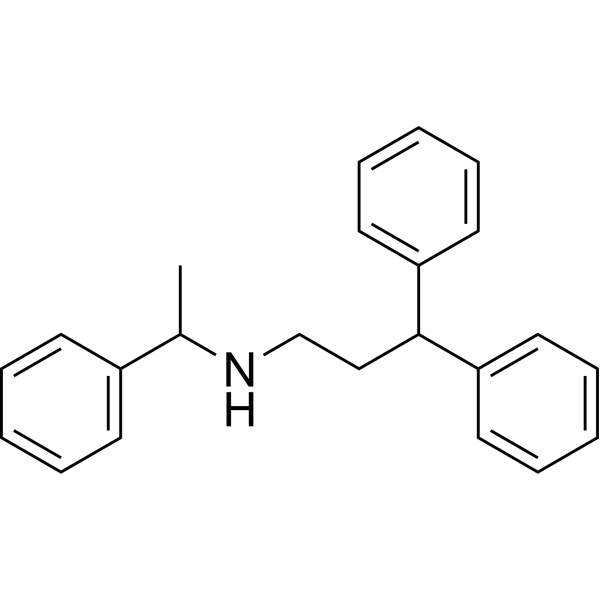 0 ImagesFendiline, a diphenylalkylamine type of antianginal agent, is an L-type calcium channel blocker (IC50 of 17 µM). Fendiline is also a selective K-Ras inhibitor, and has no effect on H-Ras and N-Ras. Fendiline inhibits K-Ras plasma membrane localization (IC50 of 9.64 μM), inhibits K-Ras signal output and blocks the proliferation of pancreatic, colon, lung, and endometrial cancer cell lines expressing oncogenic mutant K-Ras. Fendiline is a STING agonist and is able to inhibit the growth of multiple refractory cold tumors (MC38, CT26 and B16F10).
-
Dihydrocytochalasin B
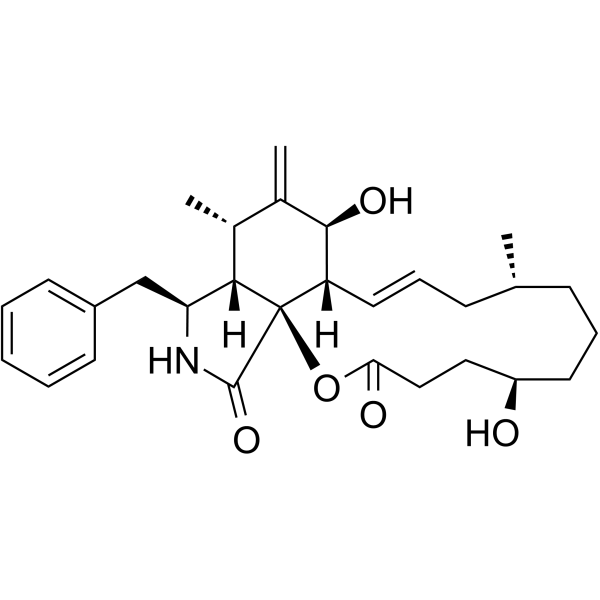 0 ImagesDihydrocytochalasin B is an Actin disruptor. Dihydrocytochalasin B disrupts actin microfilament bundles, inhibits actin polymerization, and alters intracellular actin cytoskeletal structures. Dihydrocytochalasin B blocks the initiation of DNA synthesis. Dihydrocytochalasin B inhibits Calcium transport. Dihydrocytochalasin B inhibits cytokinesis and alters cell morphology. Dihydrocytochalasin B can be used in studies related to rickets.
-
L-Phenylalanine-13C9
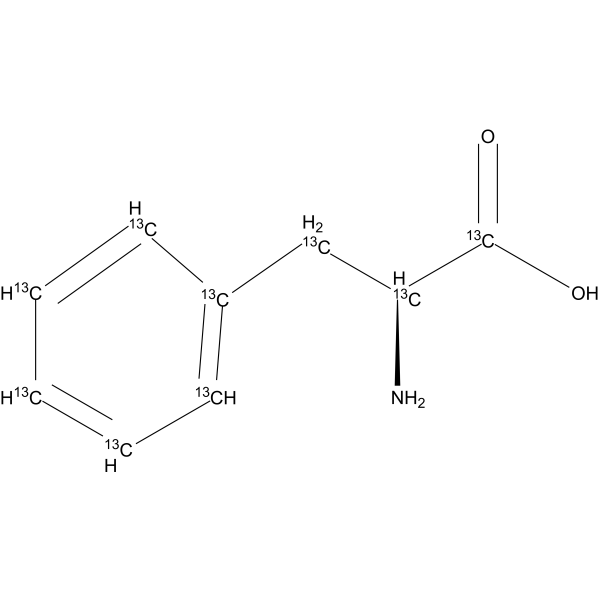 0 ImagesSynonyms: (S)-2-Amino-3-phenylpropionic acid-13C9L-Phenylalanine-13C9 is the 13C-labeled L-Phenylalanine. L-Phenylalanine ((S)-2-Amino-3-phenylpropionic acid) is an essential amino acid isolated from Escherichia coli. L-Phenylalanine is a α2δ subunit of voltage-dependent Ca+ channels antagonist with a Ki of 980 nM. L-phenylalanine is a competitive antagonist for the glycine- and glutamate-binding sites of N-methyl-D-aspartate receptors (NMDARs) (KB of 573 μM ) and non-NMDARs, respectively. L-Phenylalanine is widely used in the production of food flavors and pharmaceuticals.
-
Ifenprodil
 0 ImagesSynonyms: NP-120; RC-61-91Ifenprodil (NP-120), a cerebral vasodilator, is a noncompetitive NMDA receptor antagonist. Ifenprodil exerts high affinity at NR1A/NR2B receptors (IC50=0.34 μM) over 400-fold than at NR1A/NR2A receptors (IC50=146 μM). Ifenprodil is an α1 adrenergic receptor antagonist. Ifenprodil inhibits GIRK (Kir3), reduces inward currents through the basal GIRK activity. Ifenprodil has reliable inhibitory effects against A/H1N1 strains (EC50 of 6.6 µM). Ifenprodil has neuroprotective, anticonvulsant and antinociceptive effects. Ifenprodil can be used for the study of cerebrovascular diseases and peripheral arterial obliterative disease.
-
Reldesemtiv
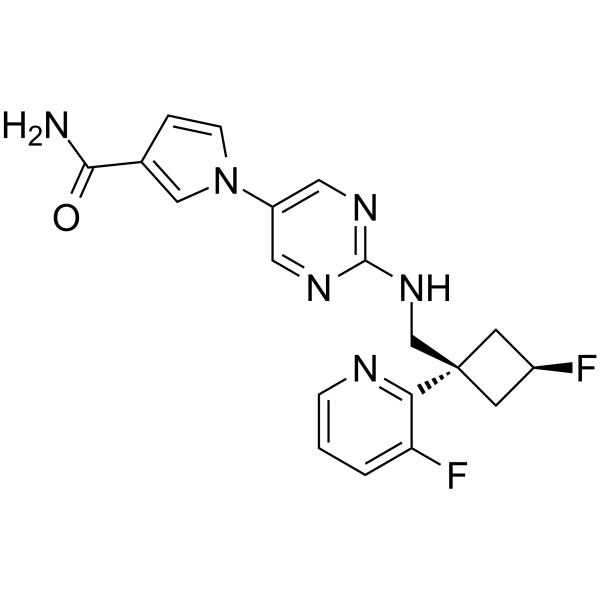 0 ImagesSynonyms: CK-2127107Reldesemtiv (CK-2127107) is a selective, orally active and next-generation fast skeletal muscle troponin activator (FSTA). Reldesemtiv selectively activates fast skeletal myofibrils with an EC50 of 3.4 μM. Reldesemtiv increases exercise performance in a heart failure model.
-
MRS1845
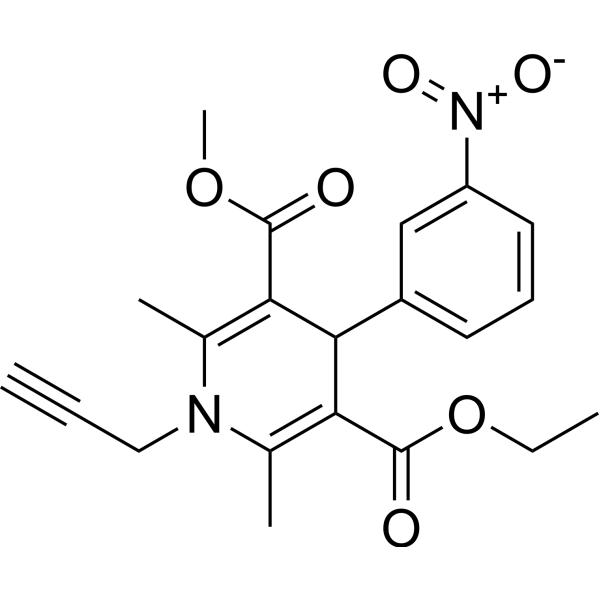 0 ImagesMRS1845 is a selective store-operated calcium (SOC) channel inhibitor with an IC50 of 1.7 μM. MRS1845 is an ORAI1 inhibitor. MRS1845 is a click chemistry reagent, it contains an Alkyne group and can undergo copper-catalyzed azide-alkyne cycloaddition (CuAAc) with molecules containing Azide groups.
-
trans-Ned 19
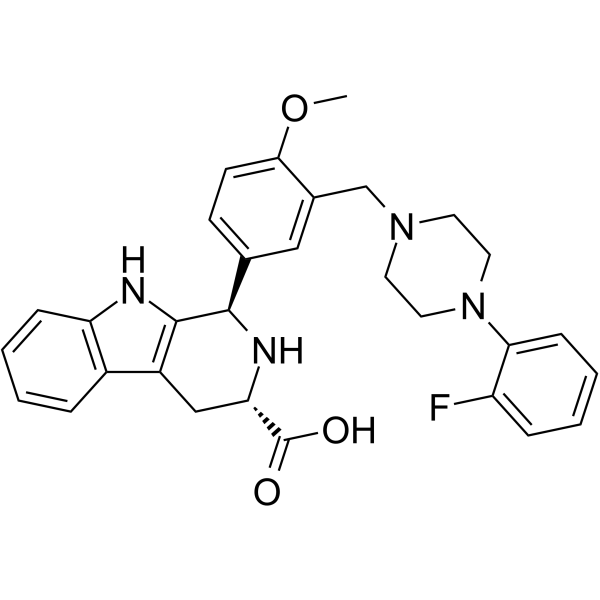 0 Imagestrans-Ned 19 is a NAADP antagonist and TPC blocker. trans-Ned 19 suppresses the calcium signal and the rat aorta relaxation in response to low histamine concentrations. trans-Ned 19 increases the spontaneous acrosome reaction rate, alleviates anti-CD3 mAb-induced intestinal inflammation, and improves kidney damage in mice with nephrotoxic serum nephritis.
-
Demethylsuberosin
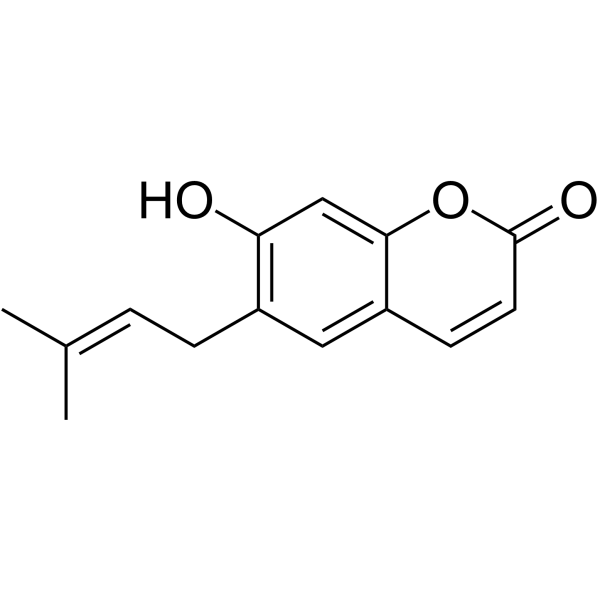 0 ImagesSynonyms: 7-DemethylsuberosinDemethylsuberosin (7-Demethylsuberosin) is a coumarin compound found in Angelica gigas Nakai. Demethylsuberosin exerts antihypertensive effects by inhibiting the L-type CaV1.2 channel. Demethylsuberosin has antioxidant and anti-inflammatory activities. Demethylsuberosin also exhibits neuroprotective activities against glutamate-induced toxicity in primary cultured rat cortical cells.
-
Calenduloside E
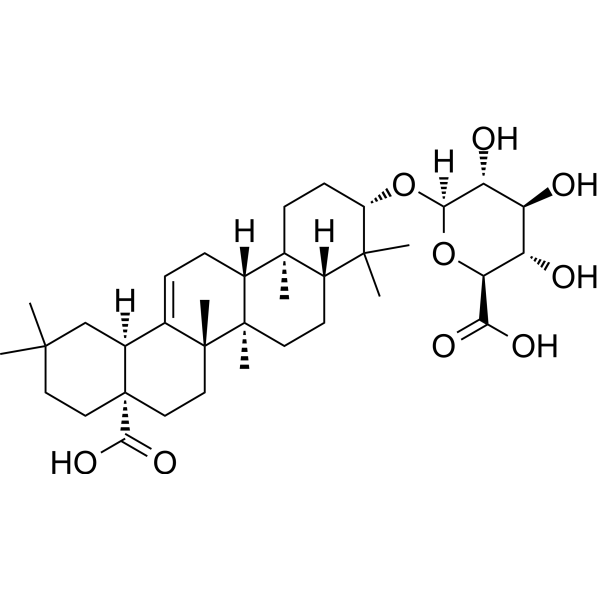 0 ImagesCalenduloside E is a pentacyclic triterpenoid saponin that can be extracted from the bark and roots of Aralia ovata, and has anti-inflammatory and anti-apoptotic activities. Calenduloside E alleviates atherosclerosis by regulating macrophage polarization, improves mitochondrial function by regulating the AMPK-SIRT3 pathway, and alleviates acute liver injury. In addition, Calenduloside E promotes the interaction between L-type calcium channels and Bcl-2 related apoptosis genes, inhibits calcium overload, and alleviates myocardial ischemia/reperfusion injury. Calenduloside E also improves non-alcoholic fatty liver disease by regulating heat shock-dependent pathways, and inhibits ROS mediated JAK1-STAT3 pathways to reduce cellular inflammatory responses.
-
Carbamazepine (Standard)
 0 ImagesSynonyms: CBZ (Standard); NSC 169864 (Standard)Carbamazepine (Standard) is the analytical standard of Carbamazepine. This product is intended for research and analytical applications. Carbamazepine is an orally active pressure-sensitive sodium ion channel blocker with an IC50 of 131 μM. Carbamazepine blocks voltage gated Na+, Ca2+, and K+ channels, and is also a HDAC inhibitor (IC50: 2 μM). Carbamazepine is an anticonvulsant and can be used for research of epilepsy and neuropathic pain.
-
Nelutroctiv
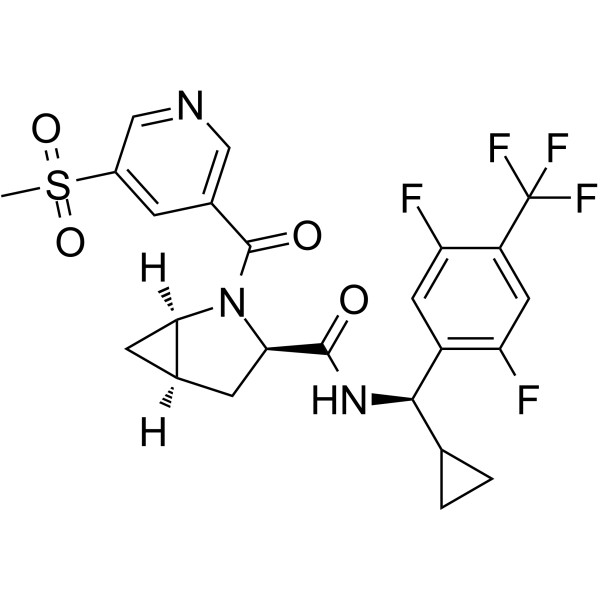 0 ImagesSynonyms: CK-136Nelutroctiv (CK-136) is an orally active and selective cardiac troponin activator. Nelutroctiv activates cardiac sarcomeres by enhancing the sensitivity of troponin to calcium ions and promoting the interaction between actin and myosin. Nelutroctiv enhances cardiac contractility. Nelutroctiv can be used in the researches for cardiovascular diseases with impaired cardiac contractile function.
-
Notoginsenoside Ft1
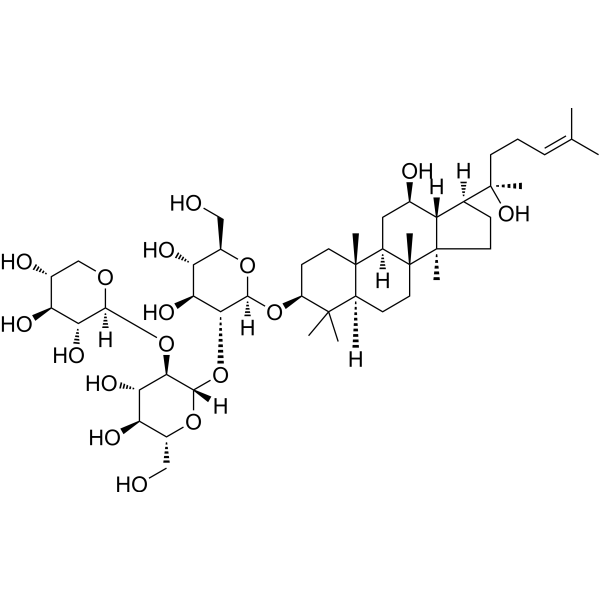 0 ImagesNotoginsenoside Ft1 is an orally active bioactive saponin. Notoginsenoside Ft1 inhibits the PI3K/AKT/mTOR signaling pathway, activates the p38 MAPK and ERK1/2 signaling pathways, and increases the proportion of CD8+ T cells, thereby inducing apoptosis and lysosomal cell death in various cancer cells, and promoting angiogenesis. Notoginsenoside Ft1 causes vasodilation by activating glucocorticoid receptors (GR) and estrogen receptor beta (ERβ) in endothelial cells. Notoginsenoside Ft1 increases intracellular Ca2+ accumulation, reduces cAMP levels by activating a signaling network mediated through P2Y12 receptors, and promotes platelet aggregation, thereby exerting a procoagulant effect. Notoginsenoside Ft1 inhibits ferroptosis (ferroptosis) in renal tubular epithelial cells by activating the TGR5 receptor, thereby demonstrating a renal protective effect. Notoginsenoside Ft1 acts as a TGR5 agonist and an FXR antagonist to combat obesity and insulin resistance.
-
Levamlodipine besylate
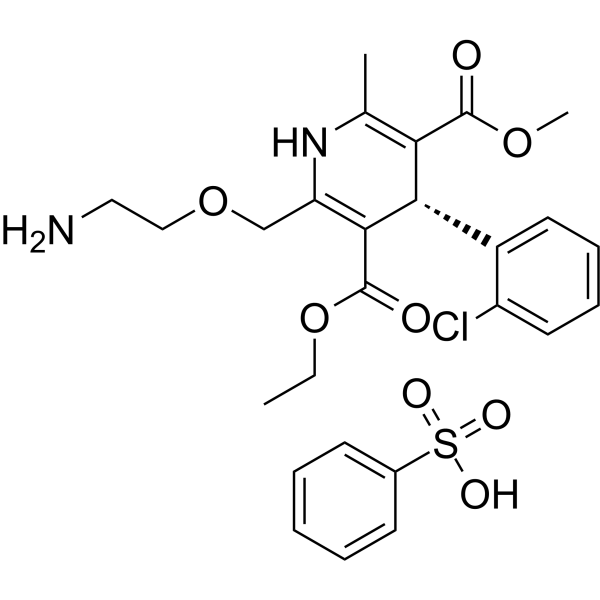 0 ImagesSynonyms: (S)-Amlodipine besylate; Levoamlodipine besylateLevamlodipine ((S)-Amlodipine; Levoamlodipin) besylate is an orally active L-type calcium channel blocker and MMP-9 modulator with high permeability and retention properties. Levamlodipine besylate significantly enhances plaque stability and improves lipid profiles by reducing blood pressure, decreasing systolic blood pressure variability, and inhibiting MMP-9 expression in atherosclerotic plaques. Levamlodipine besylate not only alleviates cardiac and aortic hypertrophy and prevents renal atrophy, but also produces synergistic effects in blood pressure reduction and organ protection when combined with bisoprolol (HY-129029). Levamlodipine besylate exerts no significant inhibitory effect on abdominal aortic intimal hyperplasia. When excessively accumulated in the epidermis, Levamlodipine besylate may induce changes in keratin structure, impair the skin barrier and trigger inflammation; long-term use further exacerbates skin irritation caused by local administration. Levamlodipine besylate can be used in research related to hypertension and atherosclerosis.
-
Nefiracetam
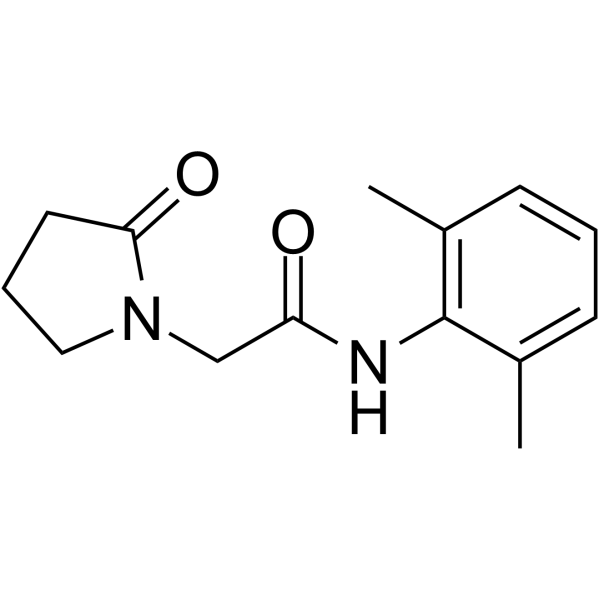 0 ImagesSynonyms: DM9384; DZL-221Nefiracetam is a cognition-enhancing agent. Nefiracetam is an activator of nAChR, N-methyl-D-aspartate receptor (NMDAR), mGluR5, PKC, gamma-aminobutyric acid (GABA), and N/L-type Ca2+ channels. Nefiracetam promotes neuroplasticity and enhances neuroprotection. Nefiracetam can be used in Alzheimer's disease, epilepsy, and cerebral ischemia research.
-
Norverapamil hydrochloride
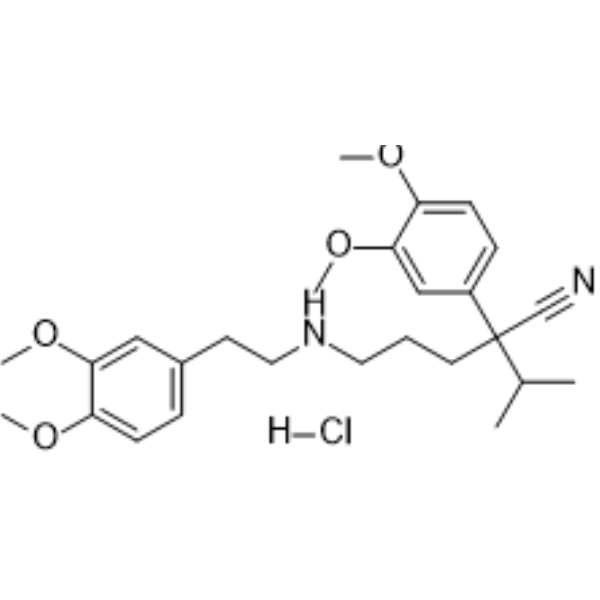 0 ImagesSynonyms: (±)-Norverapamil hydrochloride; D591 hydrochlorideNorverapamil hydrochloride ((±)-Norverapamil hydrochloride), an N-demethylated metabolite of Verapamil, is a L-type calcium channel blocker and a P-glycoprotein (P-gp) function inhibitor.
-
Annonacin
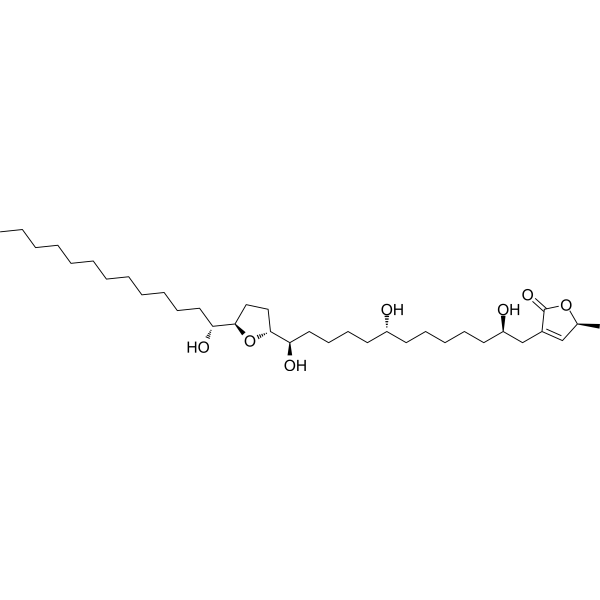 0 ImagesAnnonacin is an acetylgenin that is toxic by inhibiting the pathway of the mitochondrial complex. Annonacin increases tau phosphorylation in R406W+/+ mice. Annonacin acts as an inhibitor of the sodium/potassium and sarcoplasmic reticulum (SERCA) ATPase pumps. Annonacin has significant killing effect on ovarian cancer cell, cervical cancer cell, breast cancer cell, bladder cancer cell and skin cancer cell. Annonacin induces apoptosis through Bax and Caspase-3-related pathways.
-
DPO-1
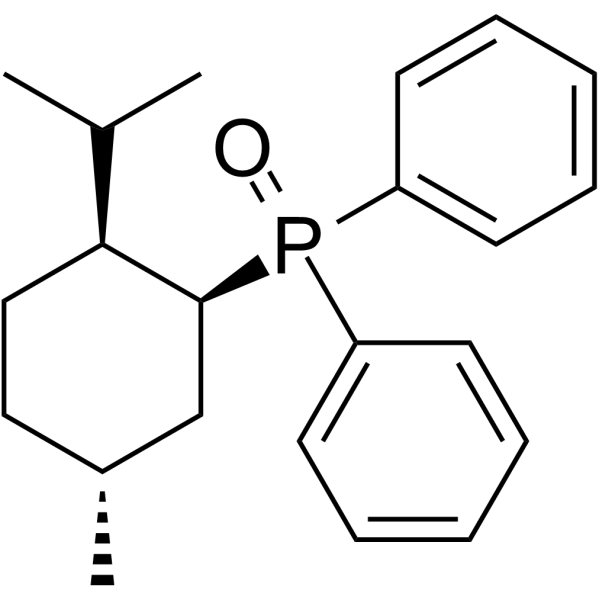 0 ImagesDPO-1 is a potent Kv1.5 and Kv1.3 (EC50 = 3.1 μM) channels inhibitor with potential immunomodulatory and anti-inflammatory effects. DPO-1 reduces Kv1.3 current density, blunts Ca2+ influx in Ca2+-depleted Jurkat cells, and inhibits IL-2 secretion in activated Jurkat cells. DPO-1 inhibits Uric acid sodium (HY-B2130A) (MSU)-induced NLRP3 inflammasome activation by blocking Kv1.5-mediated K+ efflux. DPO-1 can be used for the study of immunologic disorders and atrial fibrillation.




